The Limitation of Traditional Physical Interfaces
Most physical interfaces are designed "backwards" from a static component list. Before a surface is even styled, designers typically define:
- The Input Constraint: How many buttons or discrete switches a product supports.
- The Mechanical Mapping: Which mechanical action triggers which specific electronic signal (e.g., a button is either pressed or not).
- The Engineering Burden: The reliance on wiring harnesses, PCB footprints, and tolerance stacks to manage mechanical movement.
In this legacy model, sensing and industrial design are two separate, sequential problems. AI-driven sensing collapses this sequence by embedding intelligence directly into the material.A Different Starting Point: Material-as-Interface
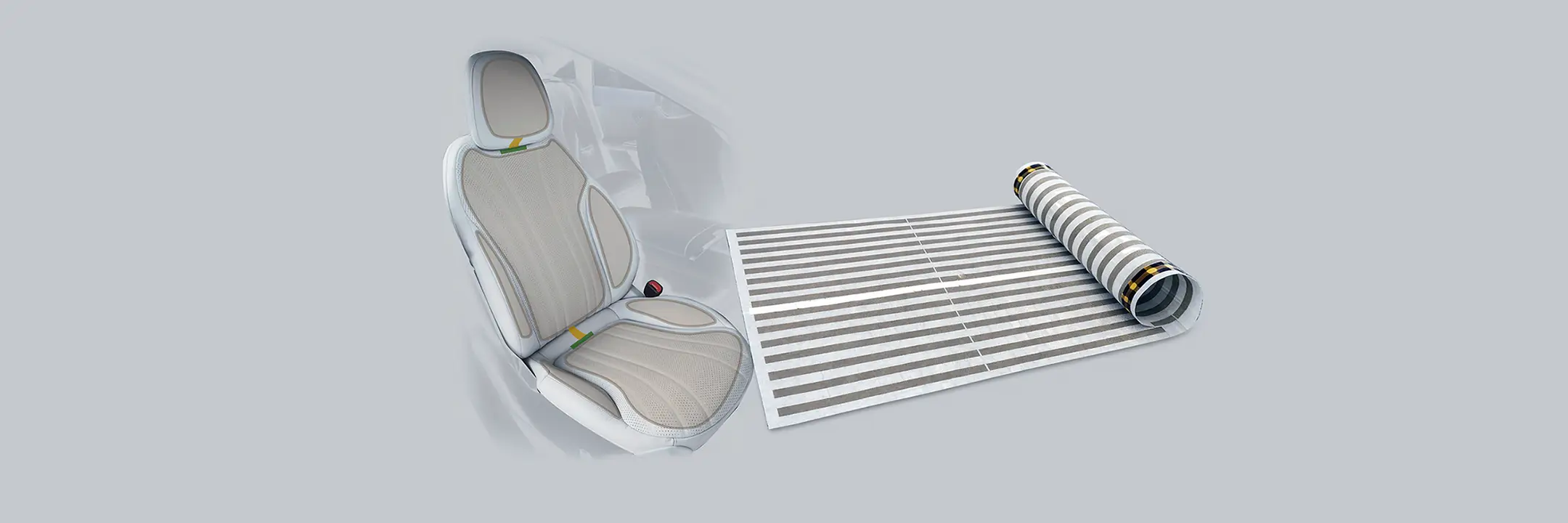
Instead of placing discrete sensors at fixed points, engineers can now structure ordinary materials—like conductive polymers—to respond to environmental inputs natively.
The functional differences:
- From Discrete to Continuous: Traditional systems report a single bit of information per trigger. AI-driven materials create a continuous surface that captures high-resolution data (e.g., pressure-mapping insoles that resolve 200 distinct levels of foot pressure rather than just "pressed" or "not pressed").
- Algorithmic Interpretation: An AI model interprets the data across the material, removing the need for dedicated wiring for every touchpoint.
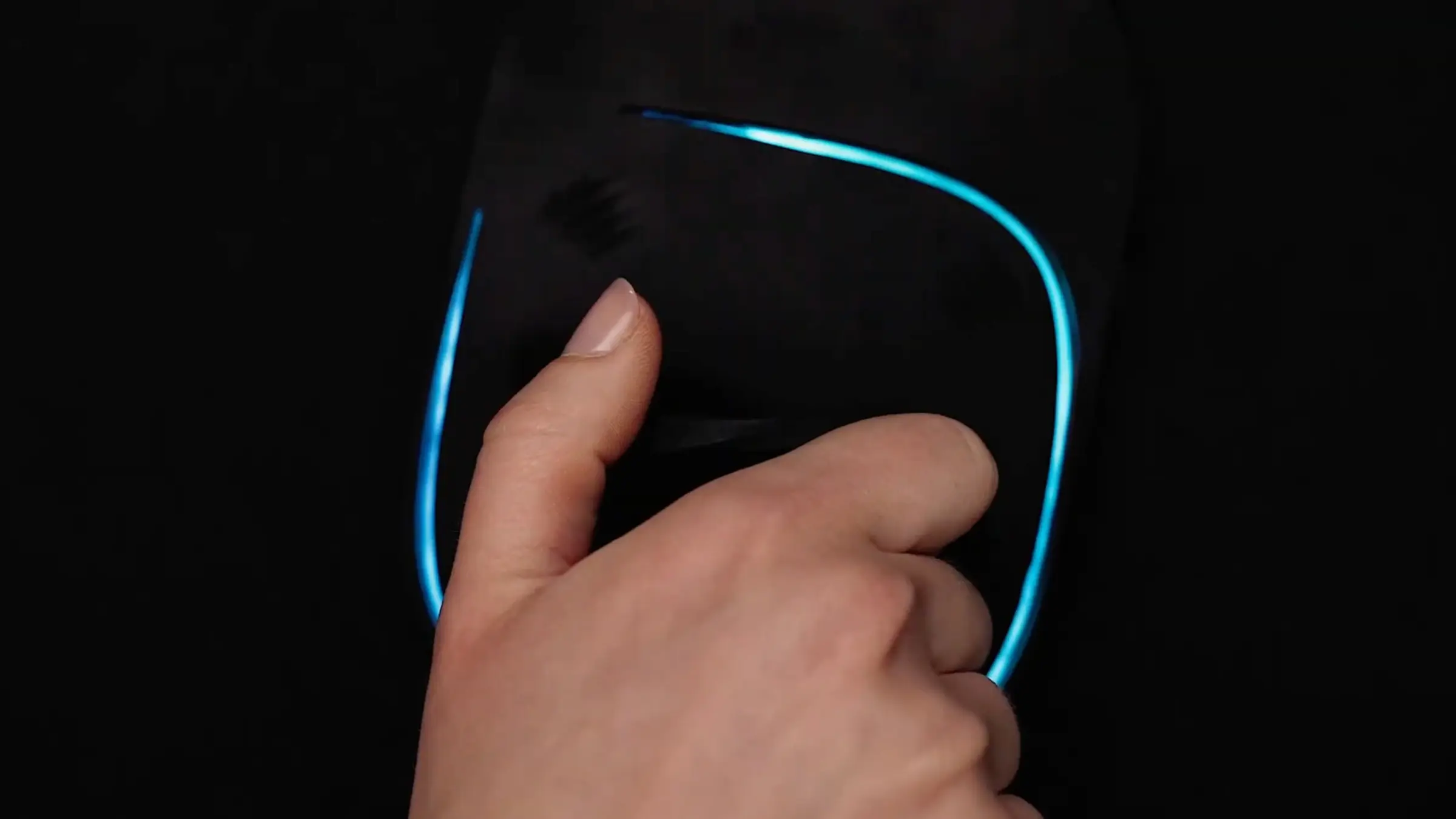
- Dynamic Functionality: Because the surface provides a raw data stream, the "meaning" of a touch can be updated via software/firmware rather than changing physical hardware.
Why Shear-Force Sensing Changes the Design Scope
Sensing true shear—the sideways, directional force experienced by a surface—has traditionally been restricted to expensive, lab-based research equipment.
By applying AI-driven sensing techniques, we can make shear-force detection:
- Scalable: Moving from prohibitive, thousand-pound sensors to manufacturable, cost-effective components.
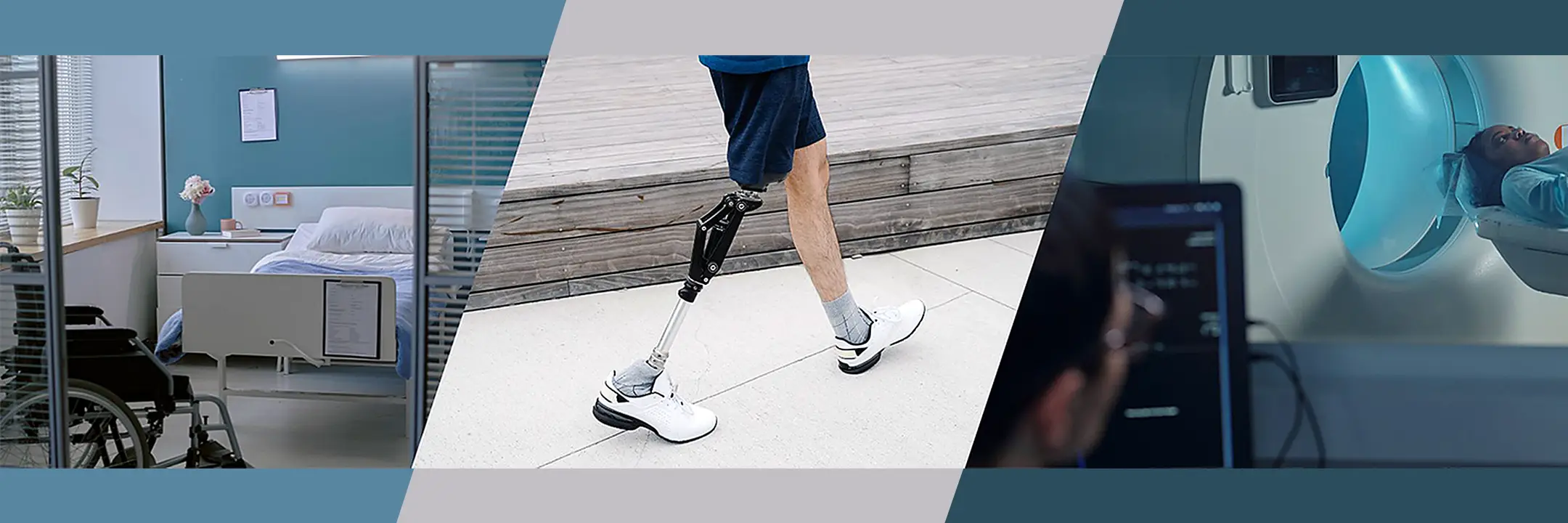
- Integratable: Allowing for deployment in consumer-facing products like robotic hands or wheelchair cushions, rather than remaining trapped in university labs.
The Second Shift: Moving Interaction Logic from Hardware to Software
In traditional UX design, changing a control’s behavior requires modifying hardware, re-tooling molds, or changing wiring. AI-driven sensing flips this model:
- Software-Defined UX: The same physical surface can support entirely different interactions after a simple over-the-air update.
- Durability and Sustainability: By removing moving parts and mechanical ingress points, seamless interfaces reduce weight and material costs while increasing resistance to wear, temperature, and cycle fatigue.
Implications for Future UX Design
This new discipline—where material science blends with AI engineering—challenges legacy usability heuristics. Established ergonomics often rely on fixed, one-to-one mapping between a control and its function.
Product designers are now moving away from asking, "Where do we place the sensor?" and instead asking, "What does the material need to do?"
The most effective roadmap for physical product development now begins by treating sensing as a fundamental property of the material chosen at the start, rather than a component selected at the end.