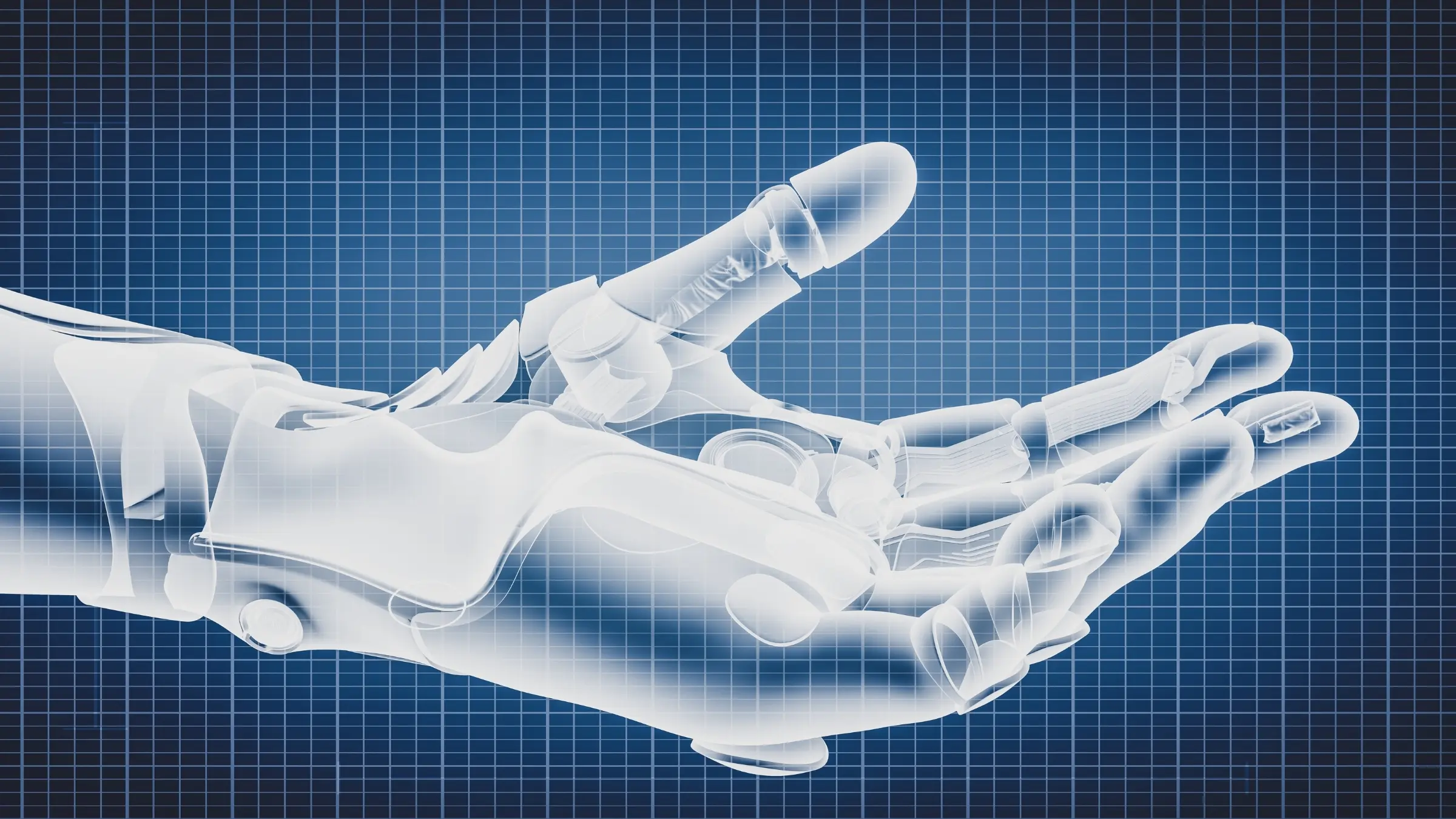
Running over 42 months with around €10 million in EU backing, the project will see TG0 bringing its AI-assisted tactile sensing technology straight into next-generation soft robotic hands and grippers.
What is soft robotics?
Traditional industrial robots are built from heavy, rigid metal and fixed joints. While that makes them strong and precise, it also makes them stiff, clumsy with delicate items, and hazardous to work around, soft robotics flips that design on its head. As the European Commission highlights, soft robotics focuses on crafting robots from flexible, compliant materials, or connecting rigid parts with soft joints, allowing the robot's body to bend, stretch, and naturally adapt to whatever shape it encounters.CORDIS
The practical payoff is huge, soft grippers and suction tools can seamlessly conform to delicate or unpredictable shapes while using natural surface friction to hold on tightly. Instead of needing complex reprogramming for every new item, a single soft gripper can gently pick up a ripe peach one second and a heavy cardboard box the next, all while being inherently safer to operate side by side with human workers.edentify
Why soft robots still struggle
Here’s the catch: today’s soft robots usually operate blind at the exact point of contact. Most commercial soft end-effectors run in open loops or rely on external cameras, lacking built-in tactile or strain sensors because conventional electronics are notoriously difficult to integrate into flexible structures. Cameras help up to a point, but the moment a gripper wraps around an object, it blocks its own view, right when real-time touch feedback matters most.edentify
Embedding sensors into a pliable body is surprisingly tough. Standard sensors are rigid, so slapping them onto a flexible finger ruins the very softness that makes it useful. On top of that, soft materials deform in complex ways, making sensor readings tricky to translate into precise motion control. This is the challenge CloSer seeks to overcome, by pioneering new sensing, modeling, and control methods built specifically for deformable materials.edentify
TG0's Role in CloSer: AI-Assisted Tactile Sensing
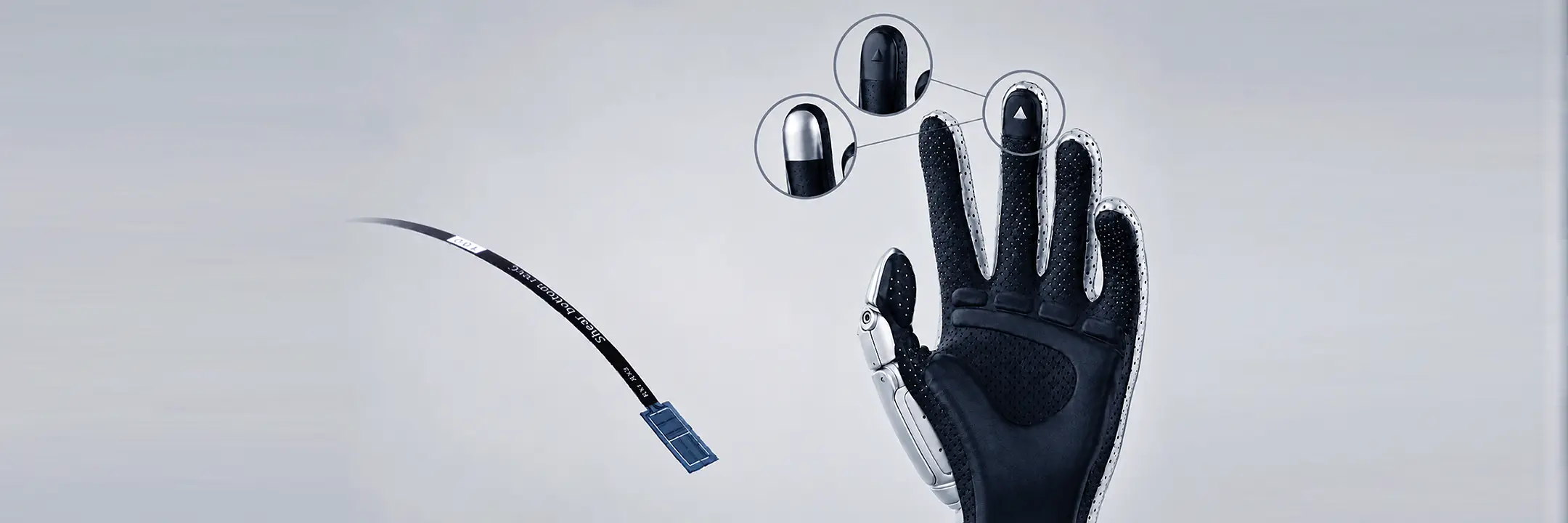
Rather than sticking bulky sensors onto a surface, TG0 embeds sensing directly into the material itself. Using custom conductive polymers and elastomers, the soft fingers or gripper pads become the sensor, detecting touch across a continuous surface without sacrificing elasticity. The platform tracks pressure and multidirectional shear forces, while smart AI models interpret how those signals change in real time. For a robotic gripper, this means instantly telling the difference between a secure hold and a slipping object and correcting its grip before anything drops.
Throughout the CloSer project, TG0 will collaborate with consortium partners to blend this tactile technology into soft robotic hands and connect real-time touch data to advanced control systems. We’ve previously exploredwhy shear-force sensing is crucial for robotic grippers and humanoid hands, and CloSer offers an exciting stage to put these concepts to work on real-world soft hardware.
Real-world testbeds
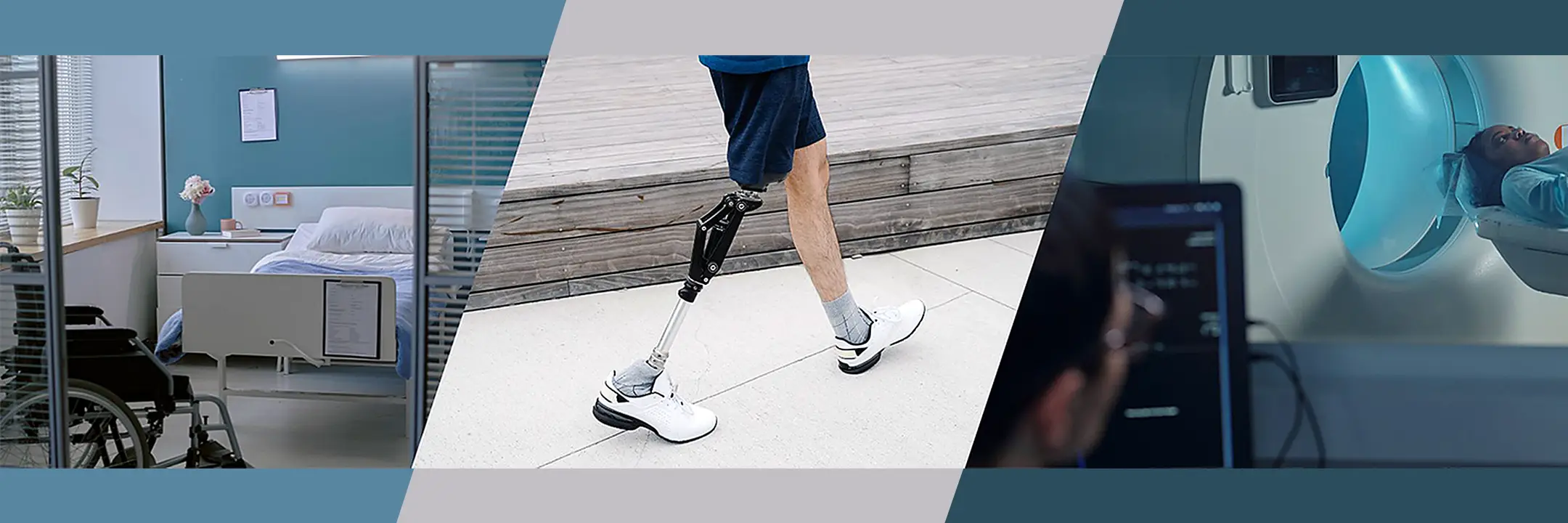
The project’s technology will be tested across demanding, real-world field settings, including retail order fulfillment, warehouse logistics, rehabilitation clinics, and offshore energy infrastructure. Whether it’s a prosthetic hand assisting a patient, a logistics robot sorting diverse goods, or a subsea gripper maintaining offshore equipment, each environment presents unique demands, but all require a robot that truly understands how firm its grip is and when to adjust.edentify
A collaborative effort
By bringing leading academic researchers, specialized institutes, and industry pioneers under one umbrella, CloSer creates a dynamic environment for breakthrough innovation. TG0 is thrilled to team up with top experts across soft robotics, materials science, and control engineering, exchanging insights to push the boundaries of what soft robots can do.
The CloSer consortium
- Tampere University (coordinator)
- University of Twente
- Prensilia S.r.l.
- Touchlab Limited
- EDP Centre for New Energy Technologies
- Edentify Foundation MTÜ
- Ocado Innovation Limited
- Festo Oy
- GripWiq ApS
- SoftGripping GmbH
- Tangi0 Ltd (TG0)
- Consiglio Nazionale delle Ricerche (CNR)
- University of Turku
- Korea Institute of Science and Technology (KIST)
You can find more about the project onEdentify's CloSer page.
What is Project CloSer and what does it involve?
Project CloSer (Closed-loop Controlled Soft Robots for Precise, Reliable, and Versatile Manipulation) is a Horizon Europe research project aimed at providing soft robots with tactile feedback. The project brings together 15 international partners to integrate continuous tactile and shear-force sensing, enabling soft grippers to handle objects with precision and adaptability across industries like retail, logistics, healthcare, and offshore energy maintenance.
What is the Horizon Europe research project?
Horizon Europe is the European Union's key funding programme for research and innovation, running from 2021 to 2027. It supports collaborative research projects across member states and associated countries to drive scientific excellence, address major global challenges, and boost industrial competitiveness across digital health, sustainability, AI Robotics and more.