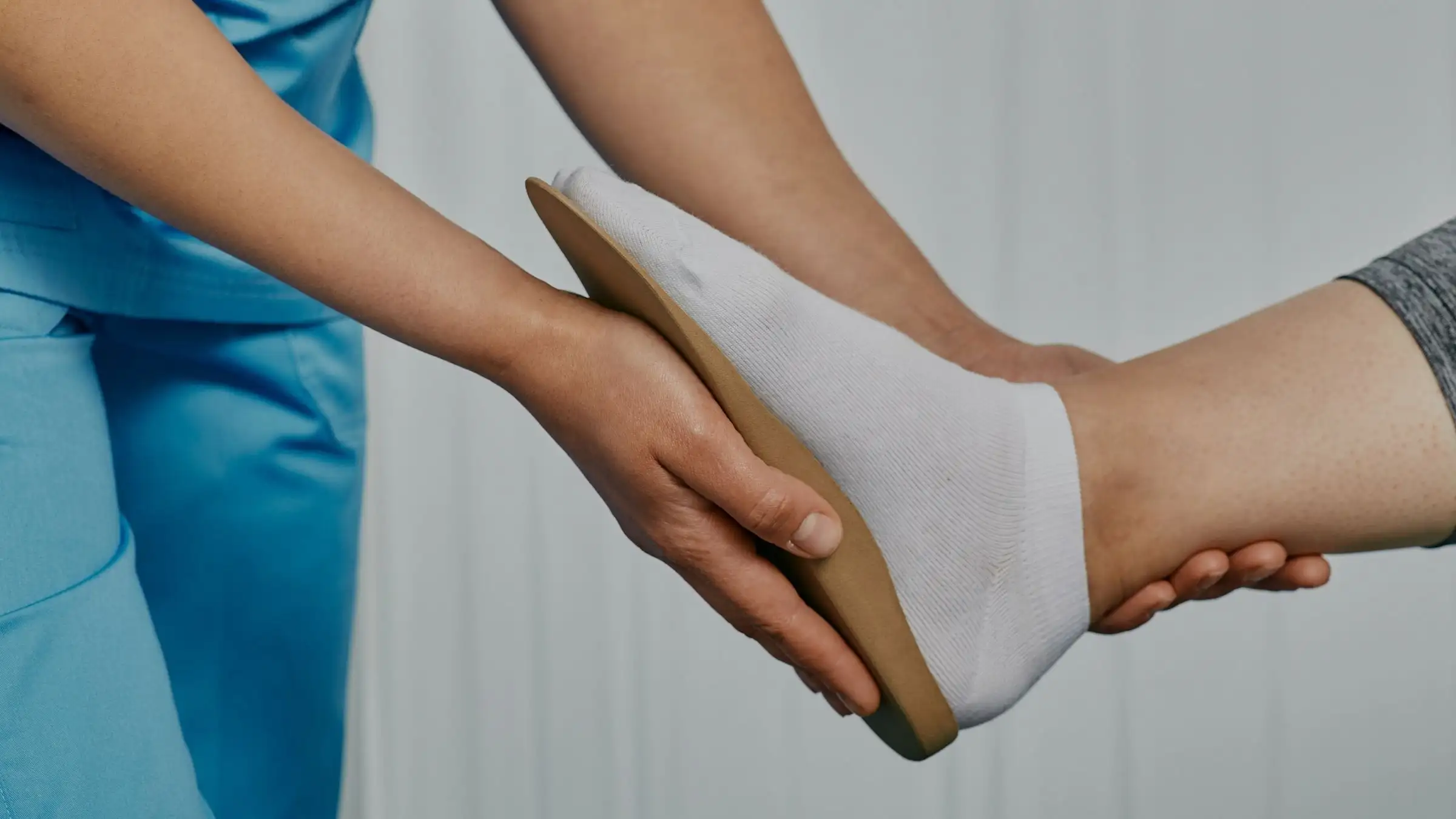
In the fast-moving world of wearable technology, precision and comfort are everything. Smart insole systems powered by physical AI offer an exciting breakthrough for continuous, everyday joint health tracking. Unlike traditional clinical evaluations, this AI-driven system delivers high-precision health insights through a completely non-invasive, accurate, and user-friendly experience.
When Materials Gain a Brain: How Smart Insoles Use Physical AI and Advanced Pressure Mapping
The magic behind smart insoles lies in embedded TinyML and physical AI built right into edge hardware. Rather than relying on clumsy cloud processing, advanced pressure mapping allows flexible sensors to capture subtle variations in foot pressure distribution and stride movement in real time, all as you walk naturally in your favorite shoes.
TG0 Technology Used for Key Data Collection
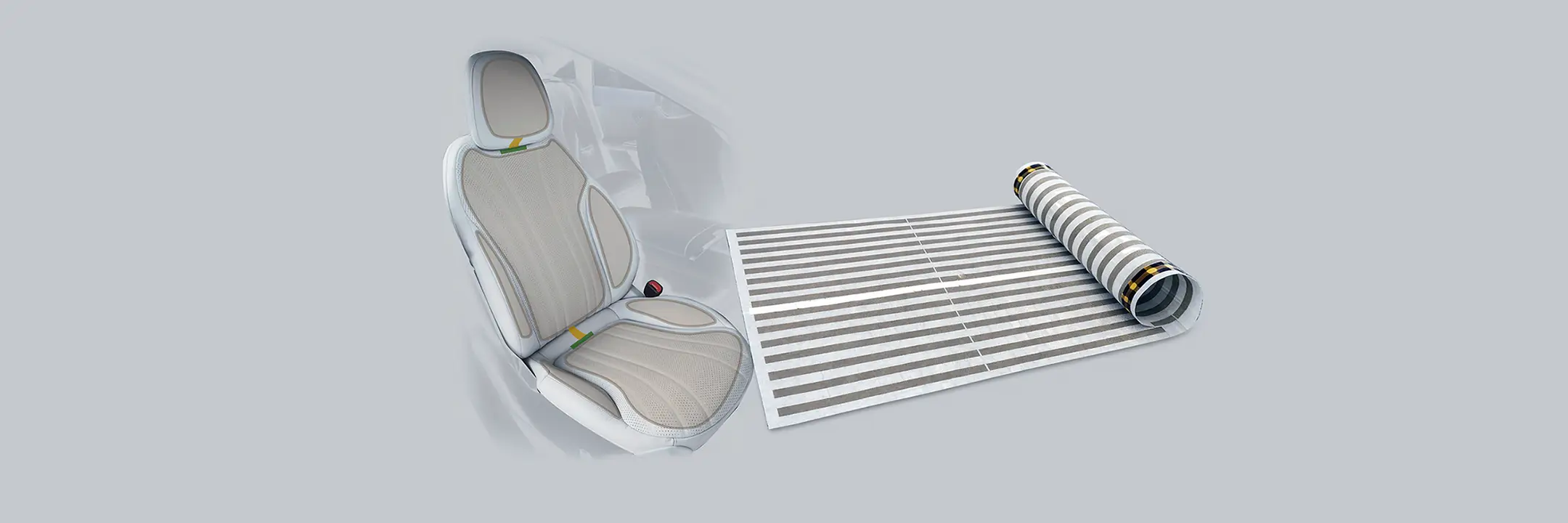
At the heart of this research is TG0’s patented flexible sensing technology, integrating highly sensitive capacitive sensors into ultra-thin, comfortable insoles. Paired with onboard inertial measurement units (IMUs), the system delivers continuous advanced pressure mapping during daily activities. This rich data stream powers physical AI models directly on the device, giving you instant gait analysis without delay or cloud dependence.
Generating Actionable Health Insights with High-Precision Sensing
TG0’s patented sensing technology uses capacitive pressure sensors encased in flexible films across key areas of the foot. Working side-by-side with built-in IMUs, these sensors catch tiny gait changes that serve as early indicators of knee or ankle joint restrictions. In clinical validation tests, the motion framework achieved an impressive 81% accuracy in spotting joint limitations using Leave-One-Subject-Out (LOSO) cross-validation. These findings show just how effectively low-cost, pressure-based physical AI systems can unlock actionable health insights for personalized, everyday joint monitoring.
Why TG0 is the Right Choice for Wearable Technology
Traditional gait analysis hardware can feel clunky and interrupt your natural walk. TG0 weaves advanced pressure mapping technology directly into ultra-thin materials, allowing sensors to blend invisibly into the insole layout. Plus, because all physical AI processing stays local on the microcontroller, your data remains completely private while keeping battery consumption low and responsiveness high.
TG0 is transforming complex medical diagnosis into a seamless daily experience through these invisible technical solutions. The best interaction technologies should never force you to change your habits but instead provide the strongest protection silently and reliably.
Read the full research paper here: https://www.mdpi.com/journal/sensors/special_issues/MV95AT44BA