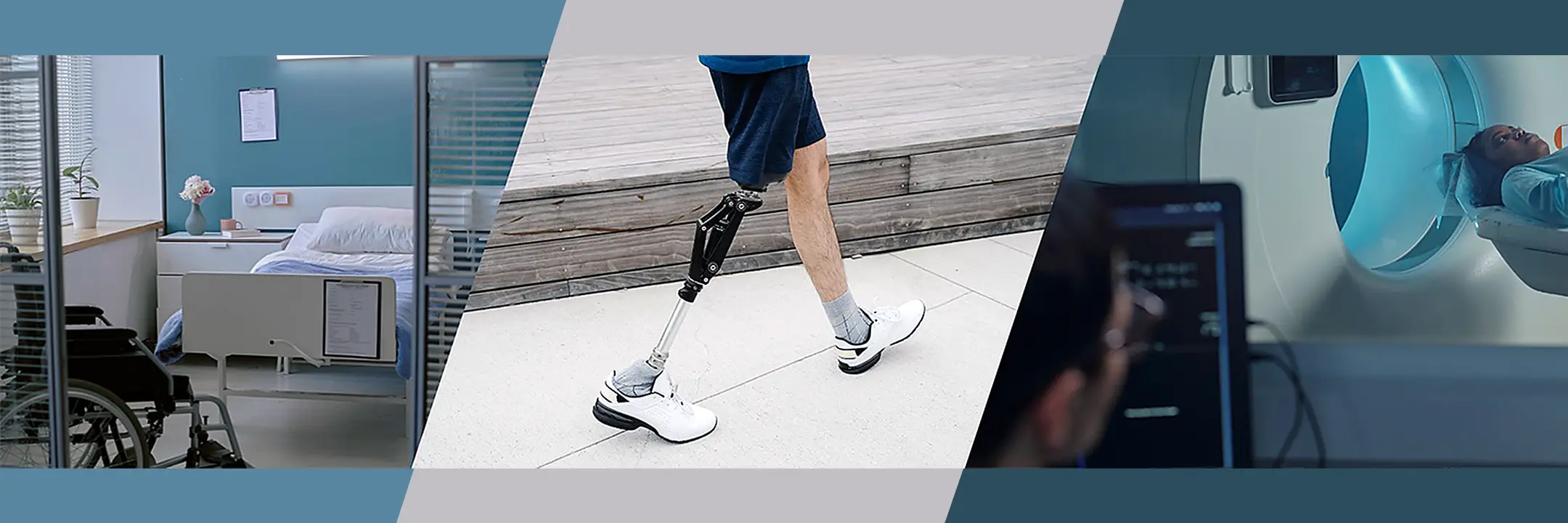
AI often receives mixed reviews, and in some respects, healthy skepticism is warranted. Yet, there is clear value in emerging technology when we identify the right applications. AI holds the potential to make patient care both more efficient and more human by easing the administrative burdens that bog clinicians down. Stepping into these hospitals was an enlightening experience. I hold immense respect for healthcare professionals, a field that continuously performs miracles for patients. At the same time, seeing how new medical technology is being adopted highlights ongoing challenges. A gap often exists between innovative tools and their seamless integration into clinical workflows. I am reminded of when my mother’s orthopaedic office transitioned to digital records: the shift was met with significant concern about implementation, reliability, and disruption. A similar caution seems to be influencing the current pace of AI adoption across healthcare systems.
The Fragmentation of Healthcare AI Adoption: UK vs. US Models
Some healthcare systems are embracing the change. For example, Barts Health NHS Trust in London is building the Barts Life Sciences cluster, including a new hub where healthtech companies can co-develop and validate technologies alongside its clinicians in real clinical settings. The aim is not just to source new technology but to help develop solutions for patient care and hospital operations that go beyond traditional digital upgrades.
The US presents a somewhat different landscape. While there is strong enthusiasm for advanced technology, the absence of a centralized system means individual hospitals must independently carry the financial responsibility of innovation. This often leads to a practical "wait and see" approach until clear models emerge. The research supports this trend: a study in the American Journal of Managed Care found that while nearly two-thirds of US hospitals using Epic had adopted ambient AI tools by 2025, adoption was markedly higher among larger, metropolitan, and financially robust health systems. Among the leadership visited, the desire from CIOs and technology leaders to expand capabilities was palpable, even as practical budget constraints require focusing primarily on fully proven solutions.
What Is an AI-Native Hospital? The Limits of Ambient Documentation Tools
Where are health systems focusing their current efforts? Outside of direct clinical care, AI adoption is rapid but focused. Industry leaders enthusiastically share progress around "AI Native" care spaces and ambient listening solutions. Currently, however, much of this deployment focuses on automated voice dictation and document summarization. While undeniably helpful, these tools represent an initial step rather than a fundamental transformation of patient care. For now, healthcare AI remains largely focused on targeted documentation tools that streamline administrative processes without yet redefining the broader clinical experience.
Why Camera-Based Computer Vision Falls Short in Inpatient Care
Where can AI expand beyond documentation and administrative tasks? True AI-native healthcare environments require intelligence built directly into the physical spaces and tools that patients and clinicians interact with daily. Currently, camera-based computer vision handles much of this capability, yet cameras present natural limitations within sensitive care settings. While cameras capture visual cues, they miss crucial physical interactions—such as subtle shifts in pressure, force, and touch—that provide a fuller picture of patient movement and well-being. Furthermore, privacy considerations and patient comfort remain paramount; continuous visual monitoring can feel intrusive in a healing environment.
The Future of Smart Surfaces and Privacy-First Ambient Sensors in Healthcare
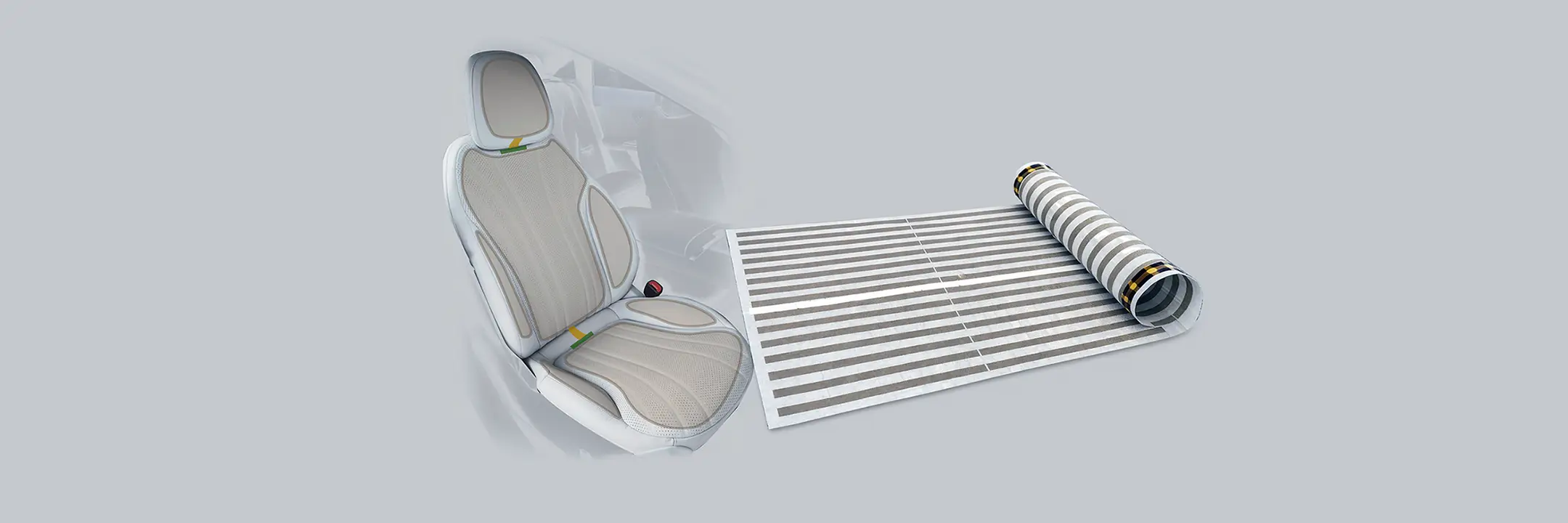
There’s a smarter, more elegant solution: making the very surfaces we interact with “smart”. I don’t mean slapping a screen on them or adding some new buttons. Privacy-first sensors such as pressure mats and thermal monitors are already appearing in care settings, but most are still add-on devices and lack depth and robustness. I’m talking about the next step, where ambient intelligence in the material itself understands how we are moving, interprets the environment and even understands our behaviour. The possibilities are extensive, from monitoring patient movement and supporting rehabilitation to easing patient discomfort and tracking rogue wheelchairs. The data that can be gleaned from how we move is the next era of patient care, and we have only begun to scratch the surface. And for me, with aging parents, this is the realm of hospital care that makes me excited and optimistic for the future.