The full academic paper is available at: https://arxiv.org/abs/2403.15421
The system uses a compact model to detect gestures, paired with an adaptive error-correction feature that uses AI techniques to learn from small amounts of data, allowing it to adjust to each person's unique hand movements. Researchers tested this with TG0's etee controller, a handheld device with touch-sensitive sensors — it performed using just 0.85 watts for all functions, while providing fast and accurate gesture recognition.
Key benefits:
- Personalised Accuracy: Adapts to how each user moves their fingers and hands
- Energy Efficiency: Works in less than a millisecond while using minimal battery power
- Built-In Privacy: Doesn't rely on cameras or image data
- On-device computation: All functions run on the microcontroller — no computer or laptop required
Who Can Benefit?
Consumer Electronics: Smartwatches, fitness trackers, and AR/VR headsets for intuitive control. Smart home devices for hands-free control of lights, thermostats, and entertainment systems.
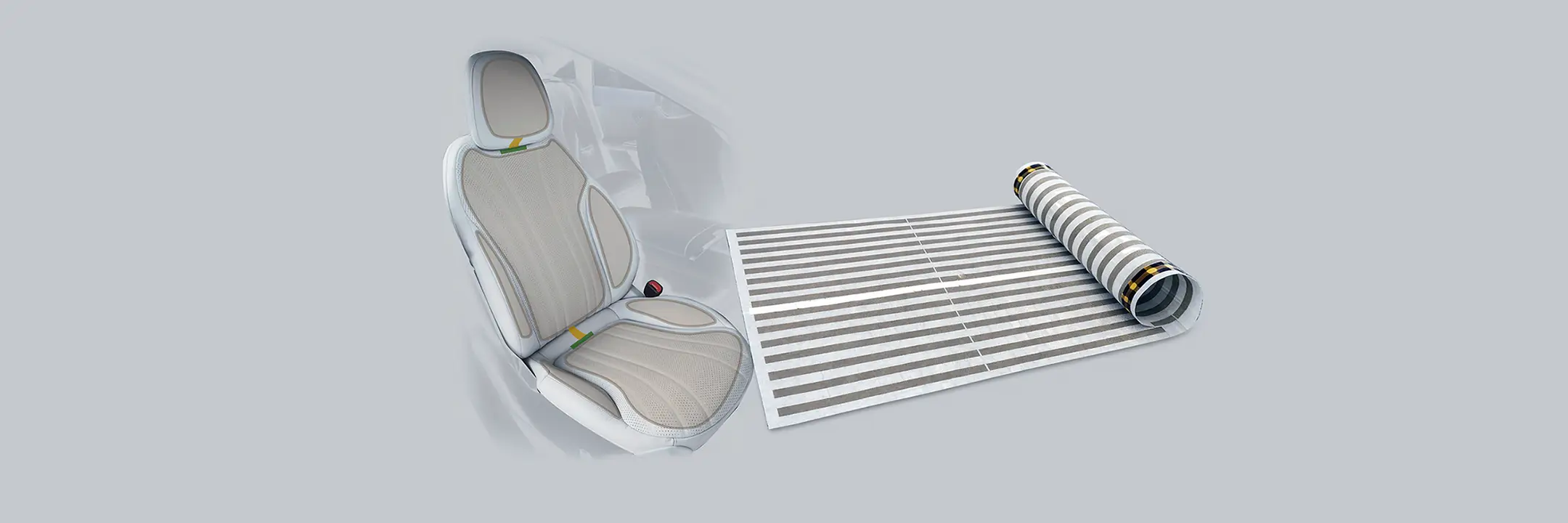
Automotive: Drivers can use gestures to adjust music, climate, or navigation without taking eyes off the road. Customised controls for passengers with limited mobility.
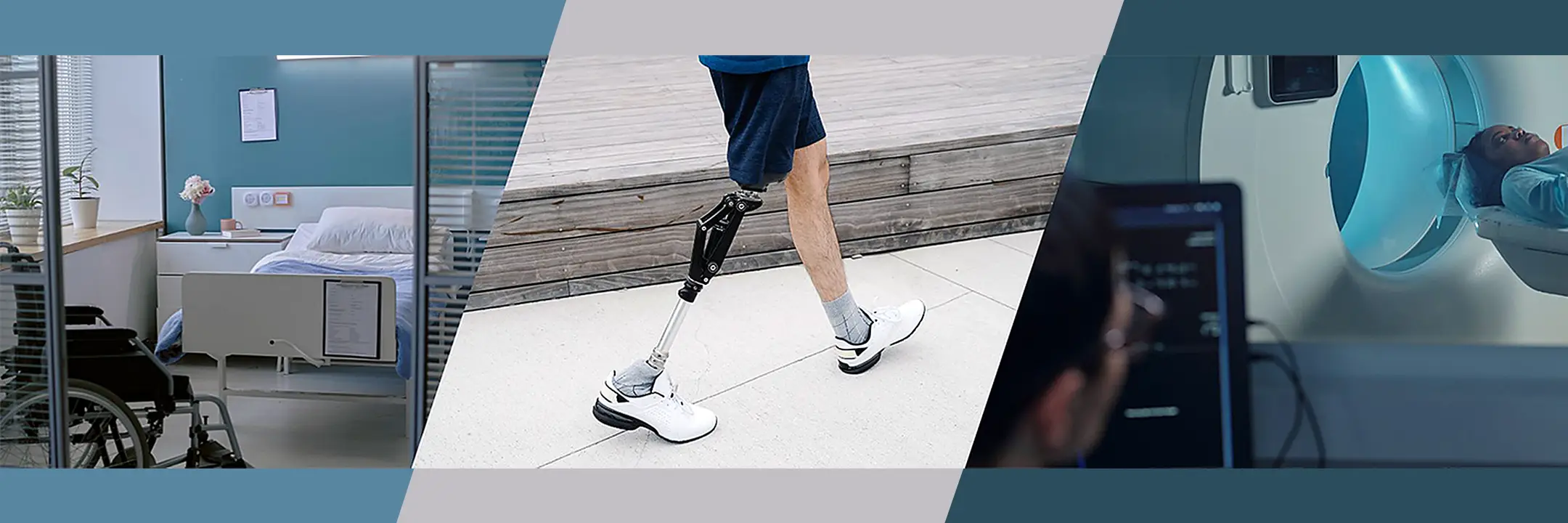
Healthcare and Rehabilitation: Assistive technologies for individuals with physical disabilities. Monitoring hand movements to track patient recovery or therapy progress.
Gaming and Entertainment: Gesture-based controls for video games, VR, or interactive content. Seamless interaction with augmented reality environments.
Robotics and Automation: Fine-tuned gestures for controlling robots in manufacturing and service industries.
Education and Training: Interactive learning tools, especially in STEM and hands-on skills like surgery or mechanics.
Industrial and Home Automation: Gesture recognition for controlling machinery in environments where traditional inputs are impractical.