How a design-led, end-to-end partnership produced a new class of marine control and what it means for hardware brands who want to build better products.
The marine environment does not forgive bad engineering with salt, spray, UV exposure, and physical stress finding every weakness in a product from poorly sealed gaskets, a mechanical switch with too many moving parts, or a housing that looks robust but isn't. The hardware brands operating in harsh conditions, the gap between a concept that works in a lab and a product that holds up in the real world is where most projects go wrong.
This concept to reality gap is where TG0’s technology and design method shines.
TG0's collaboration with Dockmate, the wireless yacht control specialist, resulted in the Dockmate PRO, a product that has already won the Miami Innovation Award in Propulsion, Equipment & Parts. But the more interesting story is what the PRO represents as a case study in how TG0 works: not as a component supplier, but as a full design and manufacturing partner that takes responsibility for the outcome.
The Problem with Buttons
Dockmate's existing remotes gave captains wireless control of engines, thrusters, anchor winches, and horns which is already a sophisticated product capability. The PRO raised the ambition considerably: Dockmate wanted proportional, variable control, meaning, a device that could sense not just whether a toggle was pressed, but how hard, translating that into precise speed inputs for engines and thrusters.
The challenge is that achieving this with traditional mechanical buttons is difficult, physical buttons have seams and moving parts. In a marine environment, those components offer entry points for water and salt ingress, and eventually, points of failure. More importantly, a mechanical switch is binary — on or off — which is the opposite of proportional control. Dockmate's requirement demanded a fundamentally different approach to the interface.
What Physical AI Actually Means for Products
TG0's technology is sometimes described as "sensorless sensing", a phrase that sounds like flowery marketing speak until you understand what it means in practice.
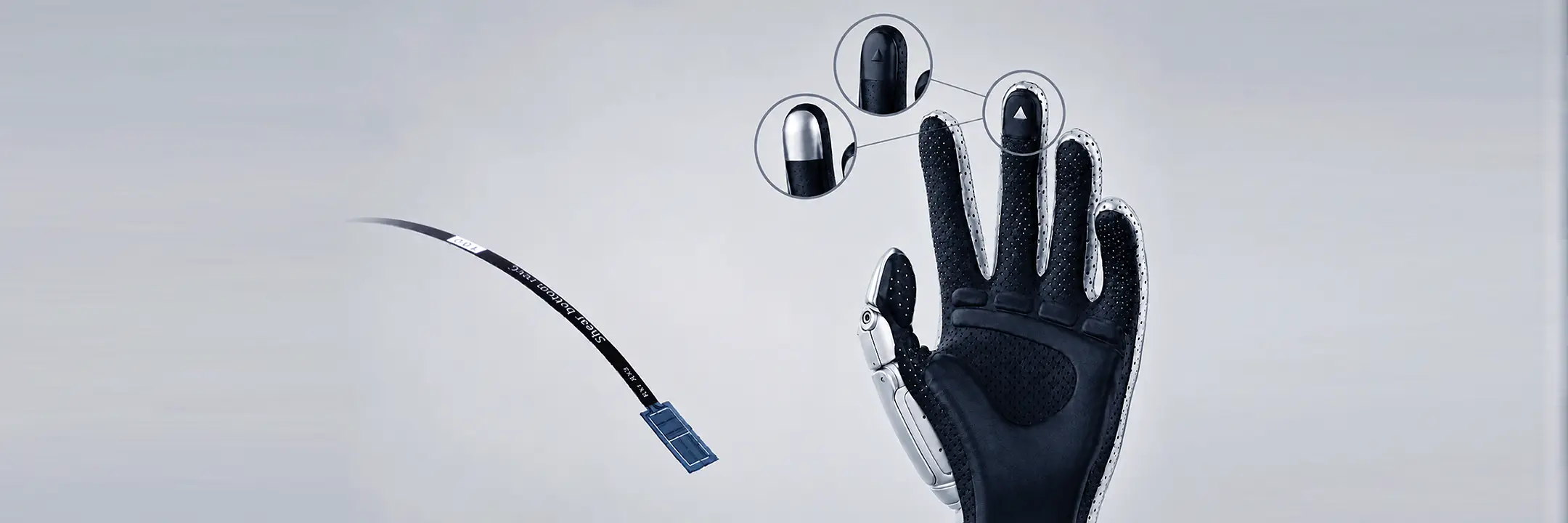
Conventional sensing systems rely on discrete electronic components: sensors, circuit boards, switches, and the connectors between them. TG0's approach is different at a material level by engineering the internal structure of conductive polymer materials and applying AI-powered signal processing, sensing capability is embedded directly into the moulded part. In short, the material itself becomes the interface.
This matters for three reasons that are relevant to the Dockmate PRO.
First, there are no seams or moving parts, because there is no mechanical assembly to create them. The sensing surface and the housing are the same object, a single, sealed component rated to IP67. For a device that spends its life near the water, this is a structural advantage, not an aesthetic styling choice.
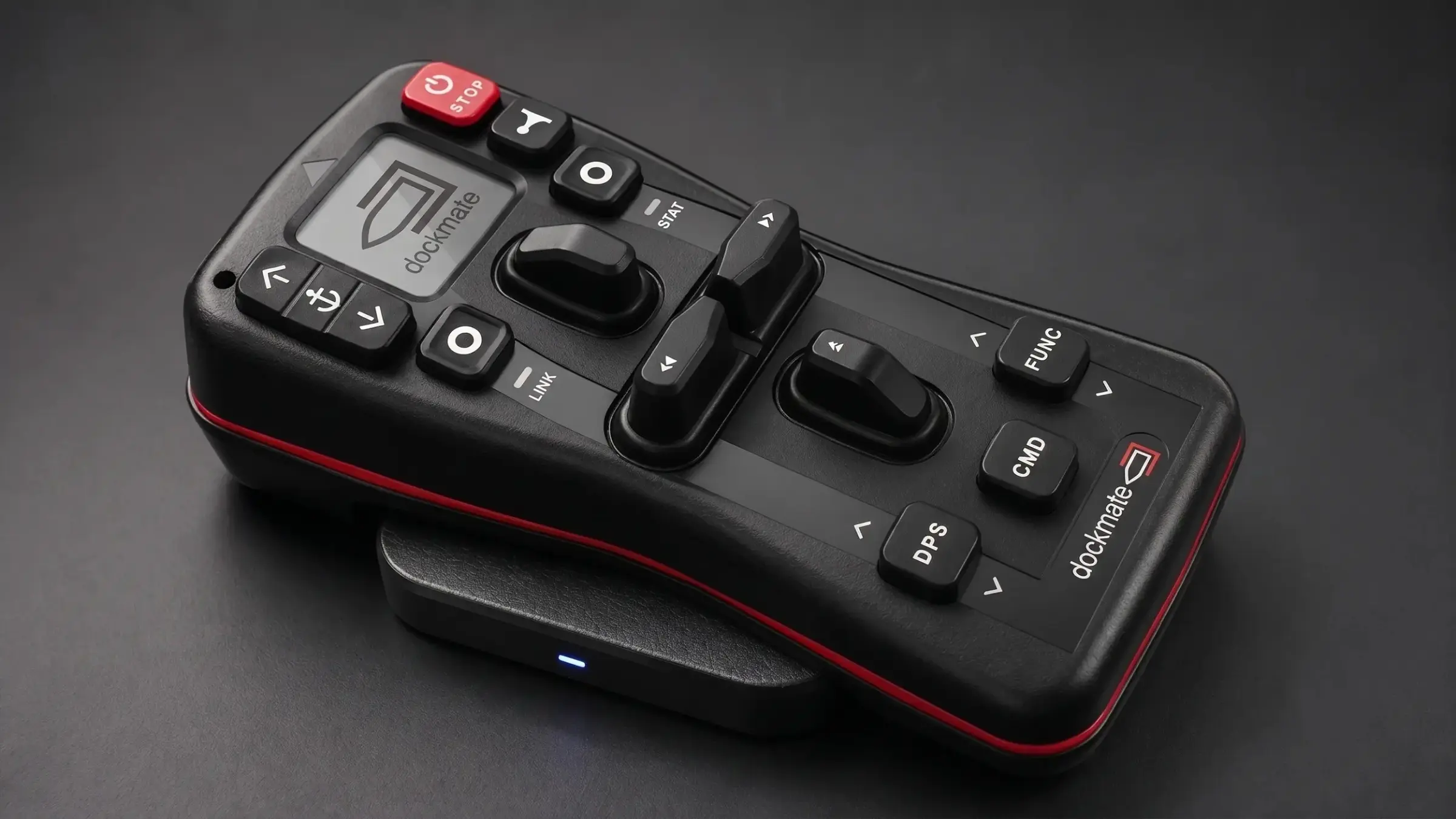
Second, the technology is inherently multi-dimensional, TG0's patented force sensing detects the deformation of a conductive material under pressure and translates that into a signal. The AI layer then processes that signal to distinguish between a light touch and a firm push, and everything in between. This is the physical basis for the PRO's variable input, the "Lever Action" toggles that give a captain proportional throttle and thruster control in a handheld device.](https://)](https://)
Third, the AI is not a post-processing add-on, it is integral to how the sensing works. TG0's proprietary machine learning algorithms run on embedded hardware, translating raw material signals, touch location, force, pressure, motion, into clean, actionable outputs. This is what TG0 means by "Physical AI": intelligence that lives in the material and the chip, not in a server or the cloud.
Mick Lin, TG0's Chief Product Officer, describes the design implication:
"When you design with the material as your starting point, you stop fighting the constraints that conventional electronics impose. There are no seams because there's no assembly to create them. There's no waterproofing problem because the surface and the housing are the same part. With the Dockmate PRO we had a clear project brief, proportional control in a sealed enclosure, and the technology made that a design problem instead of an engineering compromise. That's what I find interesting about this work."
The Value of a Single Partner
The technology is one part of the story, the process is the other. Hardware development is typically fragmented, a brand will work with a design agency for industrial design, an engineering consultancy for electronics, a firmware developer for software, and a contract manufacturer for production. Each handoff between those parties is a point of risk from miscommunication, tolerance mismatches, timeline slippage, and divided accountability when something goes wrong.
TG0's model consolidates that chain with design, engineering, firmware, and manufacturing existing within one team. When TG0 collaborated with Dockmate, the design and the manufacturing plan were developed together from the outset. The material choices informed the tooling, the tooling informed the design tolerances, and the sensing performance was validated against real manufacturing conditions rather than idealised prototypes.
For Dockmate, that meant fewer surprises late in the process and a clearer path to a production-ready product. For TG0, it meant full accountability and full credit, which is only possible when you control the full process.
Ming Kong, TG0's CEO and co-founder, had this to say:
"Most hardware brands are managing four or five different vendors just to get a product out the door, each one responsible for a slice of the outcome and none of them responsible for the whole. What we offer Dockmate, and what we want to offer every partner, is the opposite of that. We take the brief, we take the risk, and we take accountability for a product that works in the real world. The Dockmate PRO is a good example of what this method looks like in practice and its success."
This model also has real implications for a brand's internal team. Working with a single integrated partner reduces the coordination burden considerably, one point of contact, one set of design files, one responsible party. For hardware teams that are lean by design, or for brands moving into a new product category, that consolidation matters.
What the Dockmate PRO Delivers - Specs Check
The Dockmate PRO offers variable input "Lever Action" toggles for both engines and thrusters, a 1.3" sun-readable integrated display, IP67 waterproofing, a range of 50 metres, and wireless Qi charging. It also floats — a detail that reflects the unforgiving reality of the environment it's designed for.
Matthijs Peeraer, General Manager of Dockmate, on the partnership and the product:
"At Dockmate, we pursue one clear goal: delivering the ultimate control experience for every captain, even in the most demanding conditions. With the launch of the Dockmate PRO, developed in close collaboration with TG0, we're once again setting the standard for intuitive and reliable wireless control. The marine environment demands absolute precision and durability. Thanks to TG0's innovative, fully integrated approach, combining design, engineering, and manufacturing, the Dockmate PRO has become a product that is not only technologically advanced but also feels completely dependable in the captain's hand.
As General Manager, I see this collaboration as a testament to what can be achieved when vision and craftsmanship align. The PRO is more than just a product; it's the result of a shared commitment to quality, simplicity, and user experience. Its fully seamless, proportional control delivers a level of precision previously unthinkable in a wireless yacht remote. We are proud of our partnership with TG0, and even prouder of what it has produced: a robust, waterproof, and intuitive controller that further cements Dockmate's reputation as the market leader. The Dockmate PRO isn't just a step forward, it's a leap into the future of marine control."
The PRO has also won the Miami Innovation Award in Propulsion, Equipment & Parts, recognition that speaks to its standing within the marine industry on its own terms, independent of the technology story behind it.
A Model for Other Brands
Dockmate came to TG0 with a clear brief and a deep understanding of their market. TG0 brought the technology, engineering know-how and the manufacturing capability to execute it. The result is a product that neither party could have produced as efficiently, or to the same standard, working separately.
This is a model that breeds success and award winning innovation that TG0 will build on. The experience of designing for the marine environment, the material science, the sealing requirements, the calibration of sensing performance under physical stress is now a core foundation in TG0's process in which every future partner benefits from now.
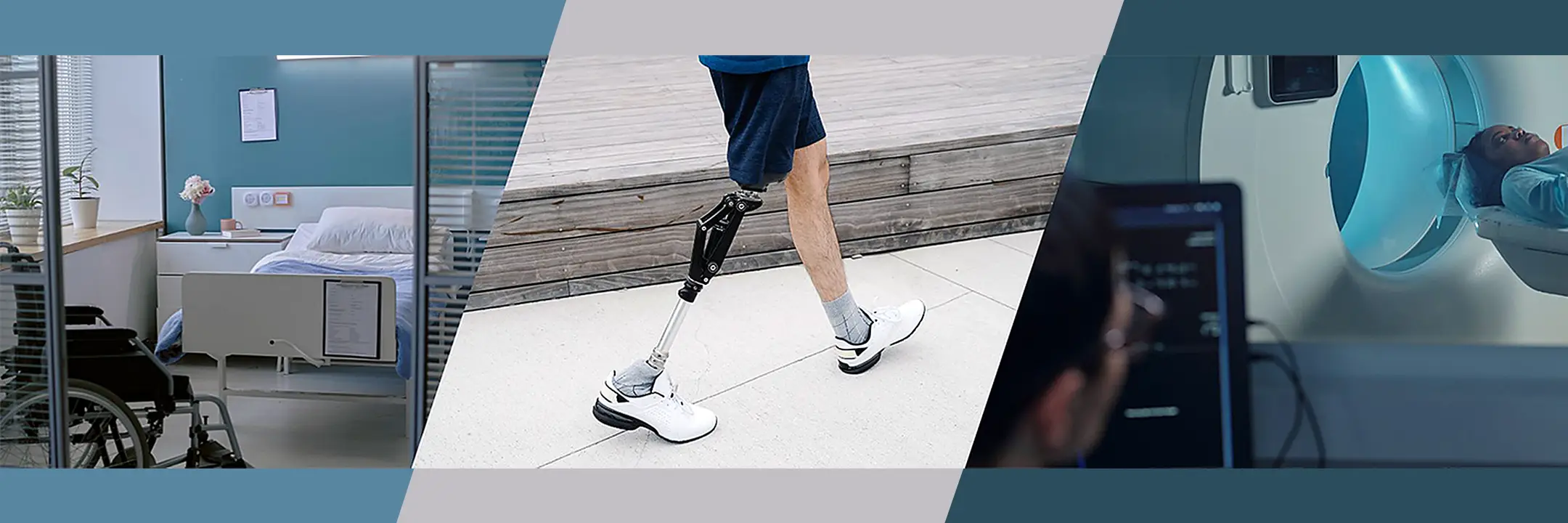
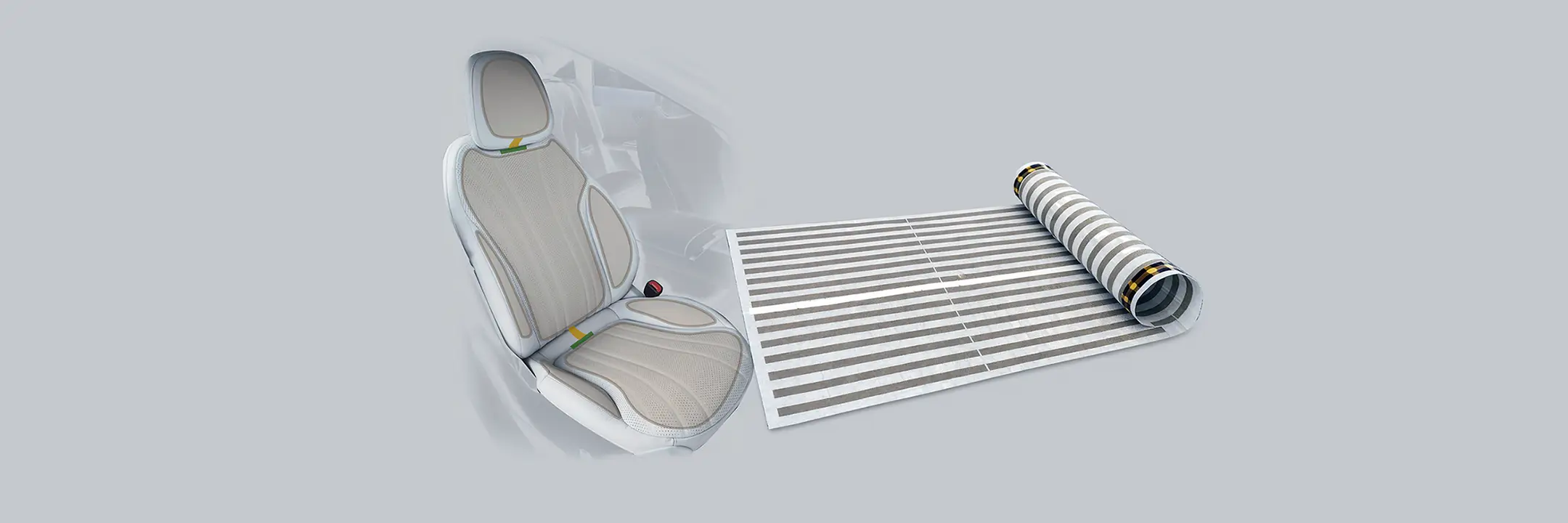
For brands in consumer electronics, automotive, medical, or any other hardware category where the interface matters and the conditions are demanding, TG0's offer is not just a sensing technology. It is a path from concept to a product that works in the real world, with a single team responsible for getting it there.
Explore TG0's technology or contact the team to discuss your next product.
Learn more about the Dockmate PRO